
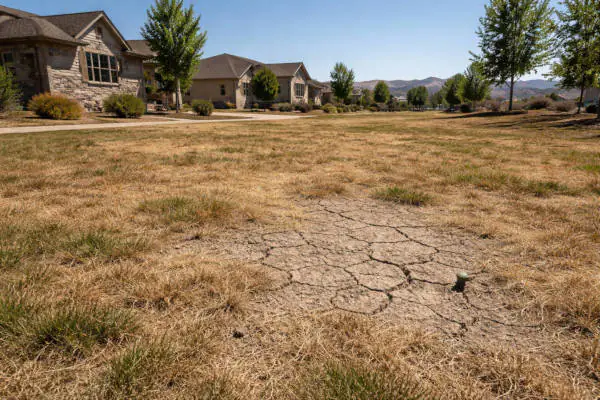
Colorado’s semi-arid climate and frequent drought conditions make lawn care a unique challenge for homeowners and property managers.
With limited rainfall, high elevation, and intense sun exposure, maintaining a healthy lawn requires a strategic, water-conscious approach.
The good news is that with the right techniques, you can keep your landscape looking green while conserving water and staying compliant with local restrictions.
Water Smarter, Not More
One of the most important drought strategies is proper irrigation. Instead of watering daily, aim for deep, infrequent watering—typically two to three times per week. This encourages deeper root growth, making your lawn more resilient during dry periods. Early morning watering is ideal, as it reduces evaporation and allows moisture to soak into the soil before the heat of the day. Make sure your sprinkler system is efficient by checking for leaks, broken heads, or overspray onto sidewalks and driveways.
Choose the Right Grass and Plants
Not all grass types perform well in Colorado’s dry climate. Consider drought-tolerant varieties such as Kentucky bluegrass blends designed for arid regions or even native grasses like buffalo grass, which require significantly less water. Incorporating xeriscaping elements—such as decorative rock, mulch, and native plants—can reduce the amount of turf you need to maintain while still creating an attractive landscape.
Improve Soil Health
Healthy soil is the foundation of a drought-resistant lawn. Aerating your lawn once or twice a year helps relieve soil compaction and improves water absorption. Adding organic matter like compost can enhance soil structure, allowing it to retain moisture more effectively. In Colorado’s often clay-heavy soils, this step is especially important for long-term lawn health.
Mow High and Maintain Properly
Adjusting your mowing height can make a big difference during drought conditions. Keeping your grass slightly taller—around 2.5 to 3 inches—provides shade for the soil, reducing evaporation and protecting roots from heat stress. Avoid cutting more than one-third of the grass blade at a time, as this can weaken the plant and increase water demand.
Use Mulch and Minimize Waste
Applying mulch around trees, shrubs, and garden beds helps retain soil moisture and regulate temperature. It also reduces weed growth, which competes with your lawn for water. Additionally, consider collecting rainwater where permitted or using drip irrigation systems for more targeted watering.
By adopting these drought-smart lawn care practices, Colorado property owners can maintain beautiful, sustainable landscapes even in challenging conditions. A proactive, efficient approach not only saves water but also ensures your lawn remains resilient throughout the dry season.